Abramson Houses has extensive experience designing homes in fire-prone areas. While we are currently working on projects within the burn areas of the January 2025 Los Angeles fires, designing for fire resistance has been a core principle of our practice since the beginning. This expertise has enabled us to create resilient dwellings and implement fire-hardening measures, such as ignition-resistant materials and exterior fire suppression systems, to safeguard homes during a fire.
We often work with clients in remote locations where wildfire is a perennial threat, prioritizing non-combustible materials and fire-hardened glazing that are not only fire-resistant but also energy-efficient and resilient to other natural forces. Several of these strategies are outlined below.
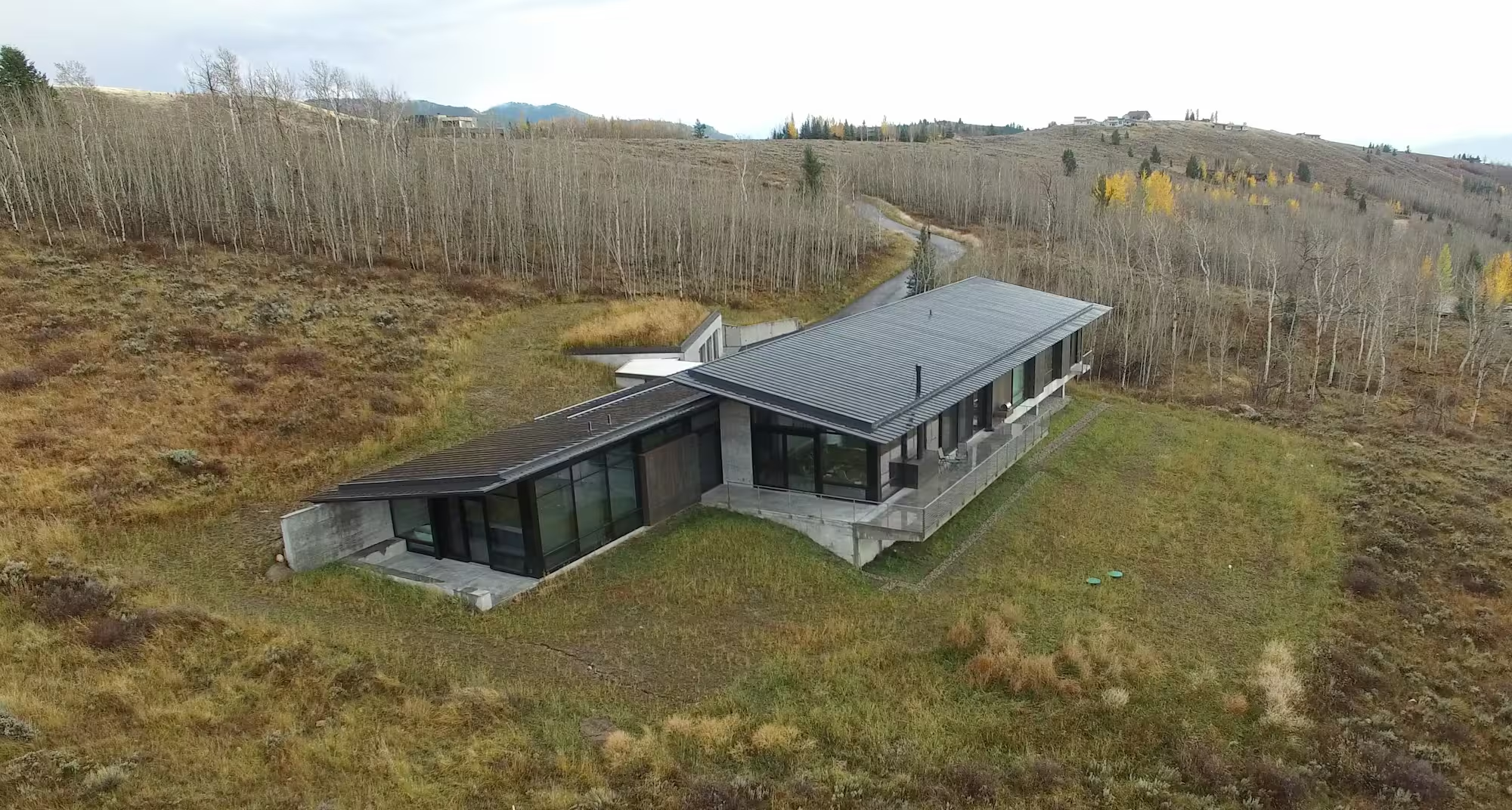
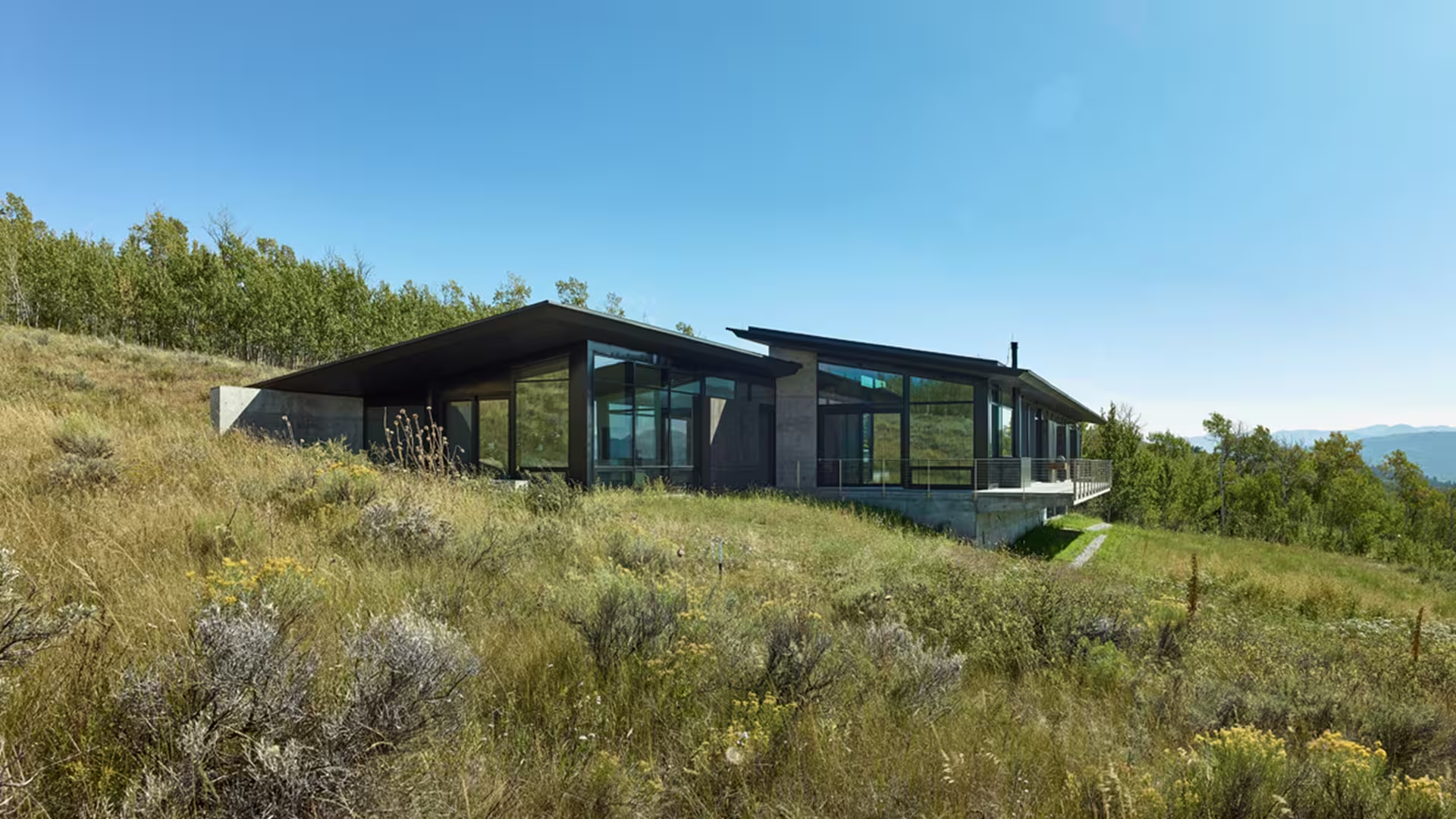
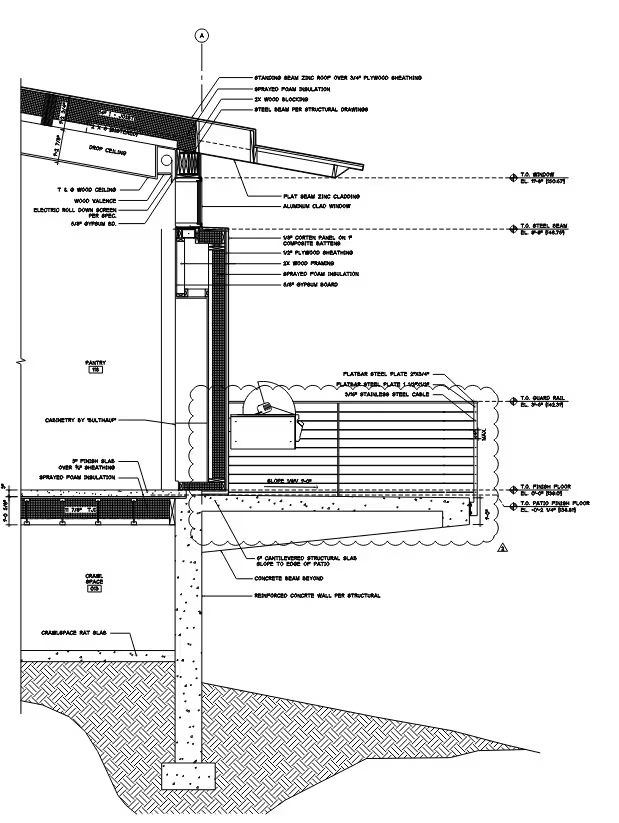
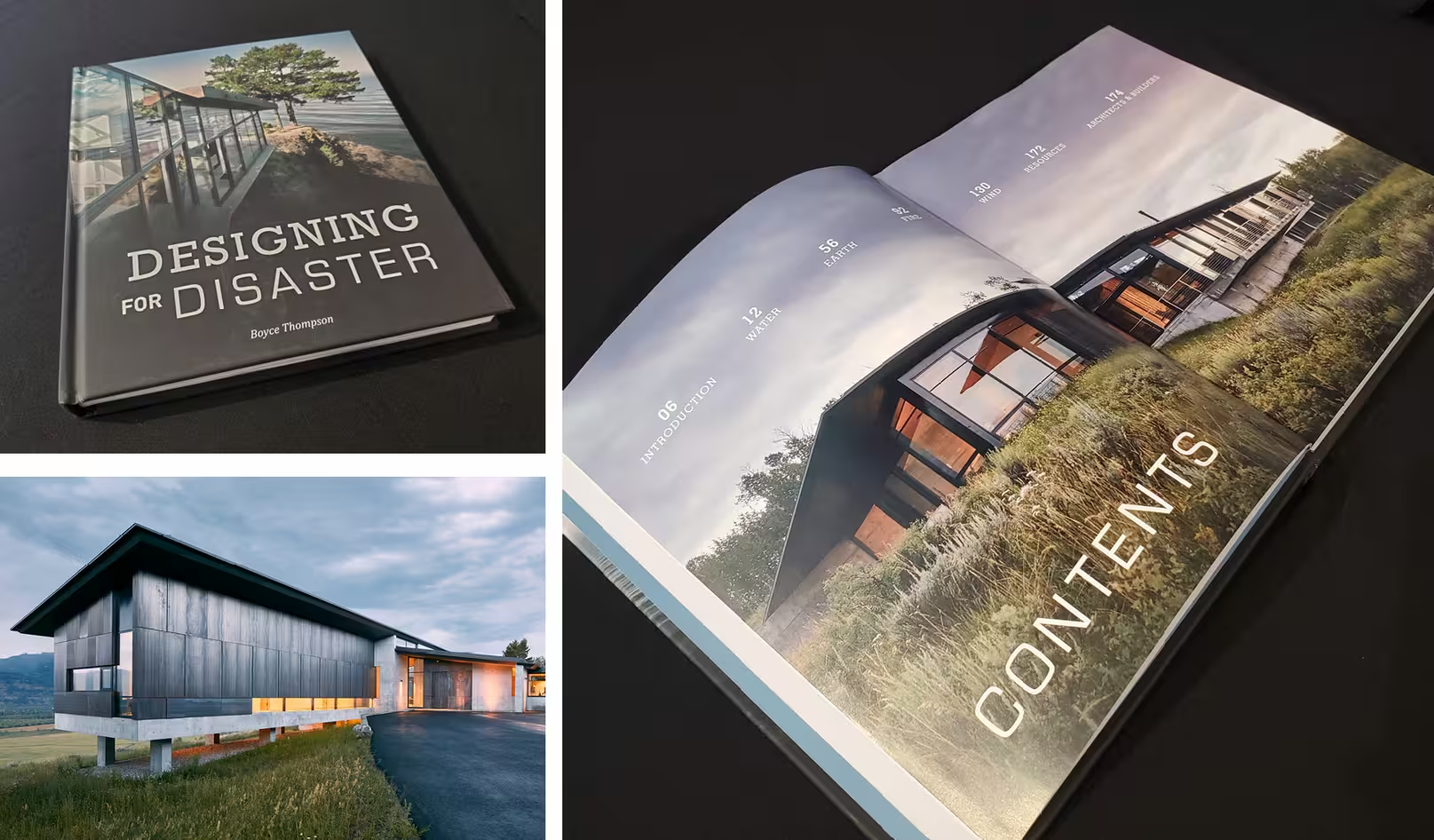
Mountain locations can experience extreme temperature changes over the course of a day. A swing of 80-100 degrees Fahrenheit within a 24-hour period is not uncommon, so the building envelope must be specially designed to keep the interior comfortable as the outside temperature changes. In a Wyoming residence, we designed the home's concrete walls with rigid insulation cast in the middle of each wall to provide a thermal break.
To further enhance thermal resilience, we selected a wood window frame with a triple-glazed insulated glass unit. The triple glazing features three glass layers separated by argon-filled chambers, offering excellent insulation while still allowing plenty of natural light to showcase stunning views of the Teton Mountain Range. The extra glass layers also add an additional layer of fire protection. Beyond the glass, all exterior materials, including the zinc roof, concrete, and steel walls, are non-combustible, ensuring safety and durability.
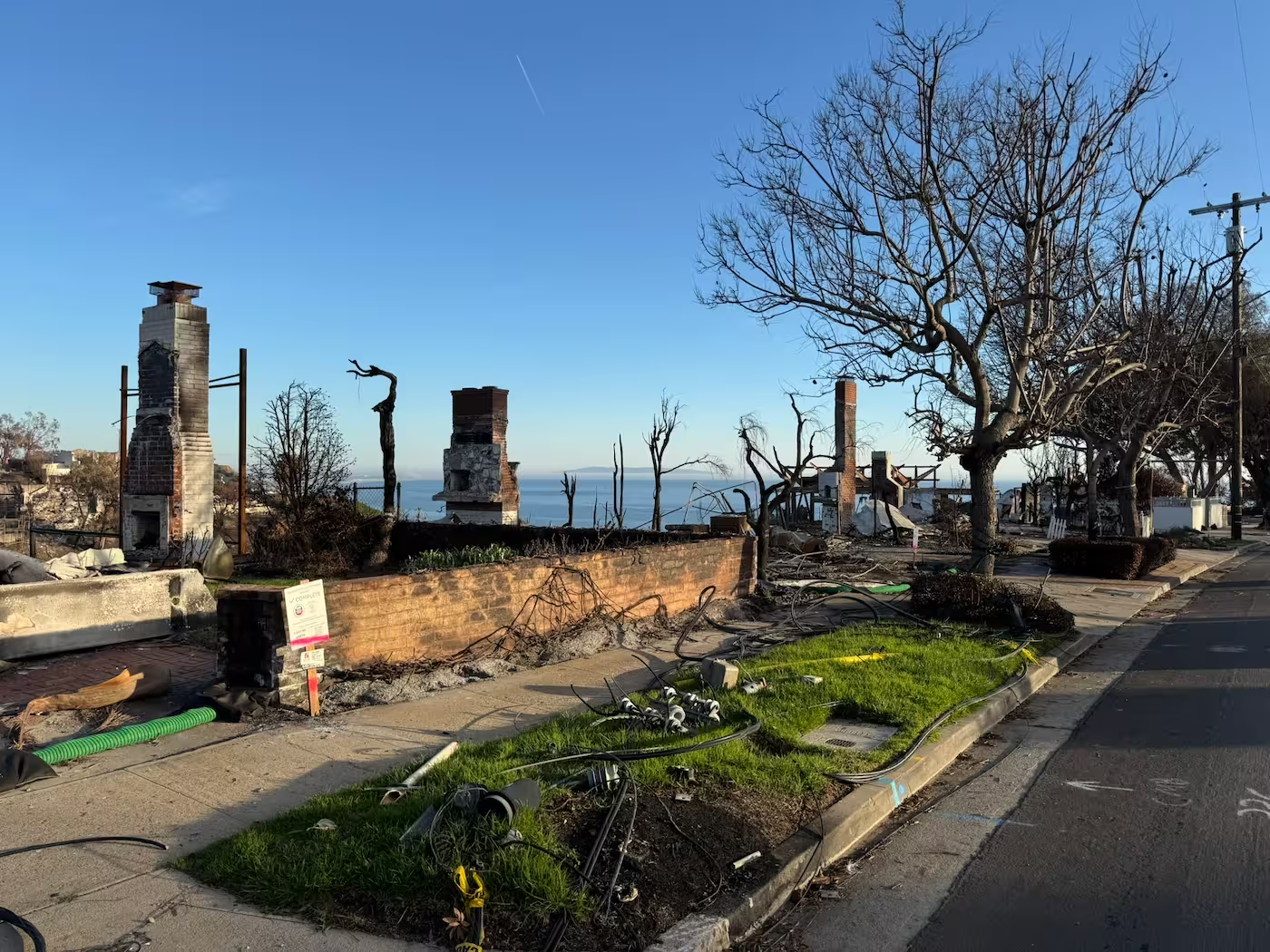
Sapire Residence (2019) - This home was threatened by the Palisades Fire (January 2025), which burned right up from the bottom of Rustic Canyon, meeting the pathways that wrap around the hillside at the base of the home. Damage to the home was so minor that the client was able to return to the house within two weeks, whereas a home just two houses away burned completely to the ground.
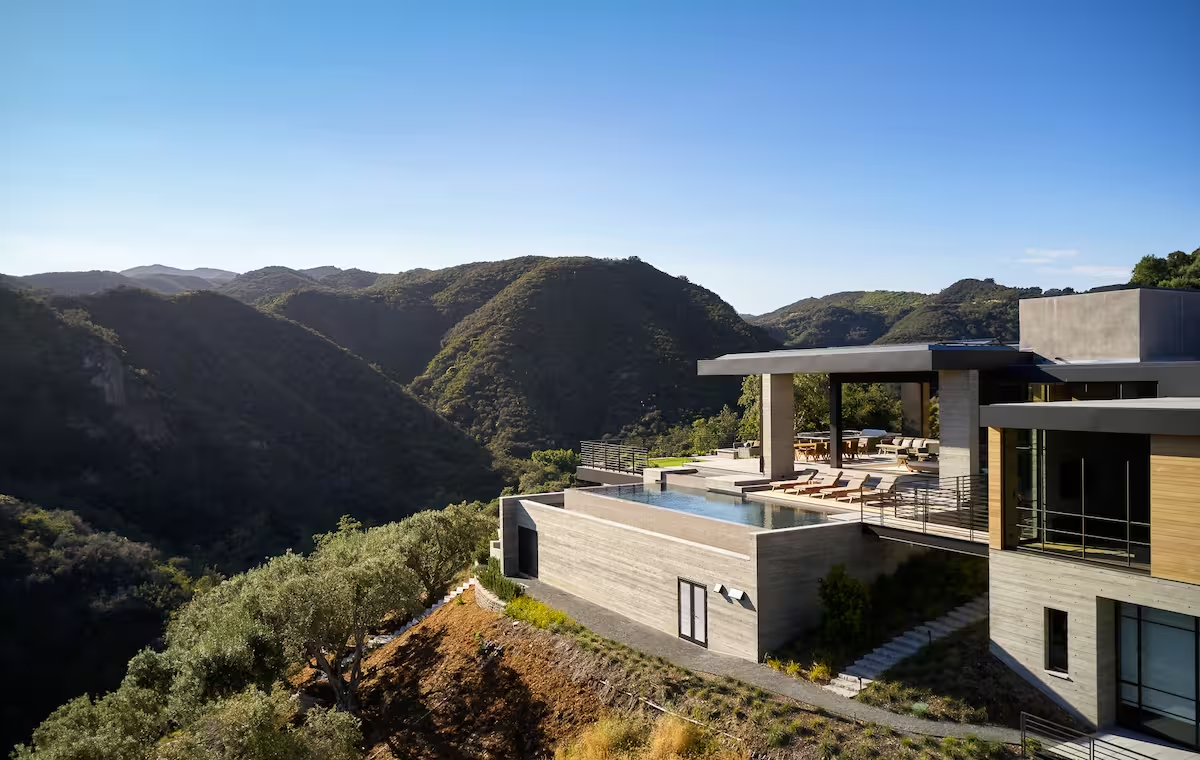
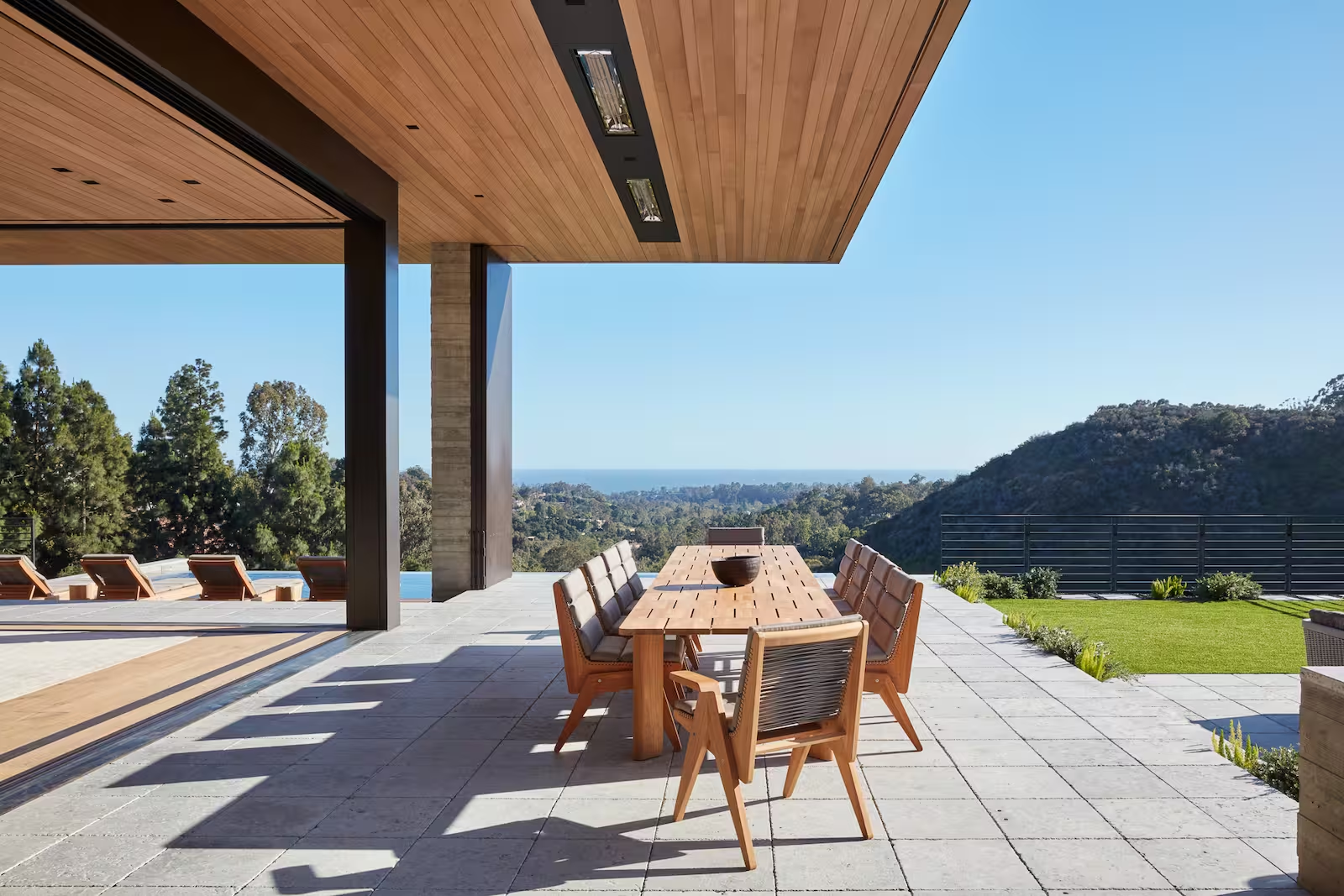
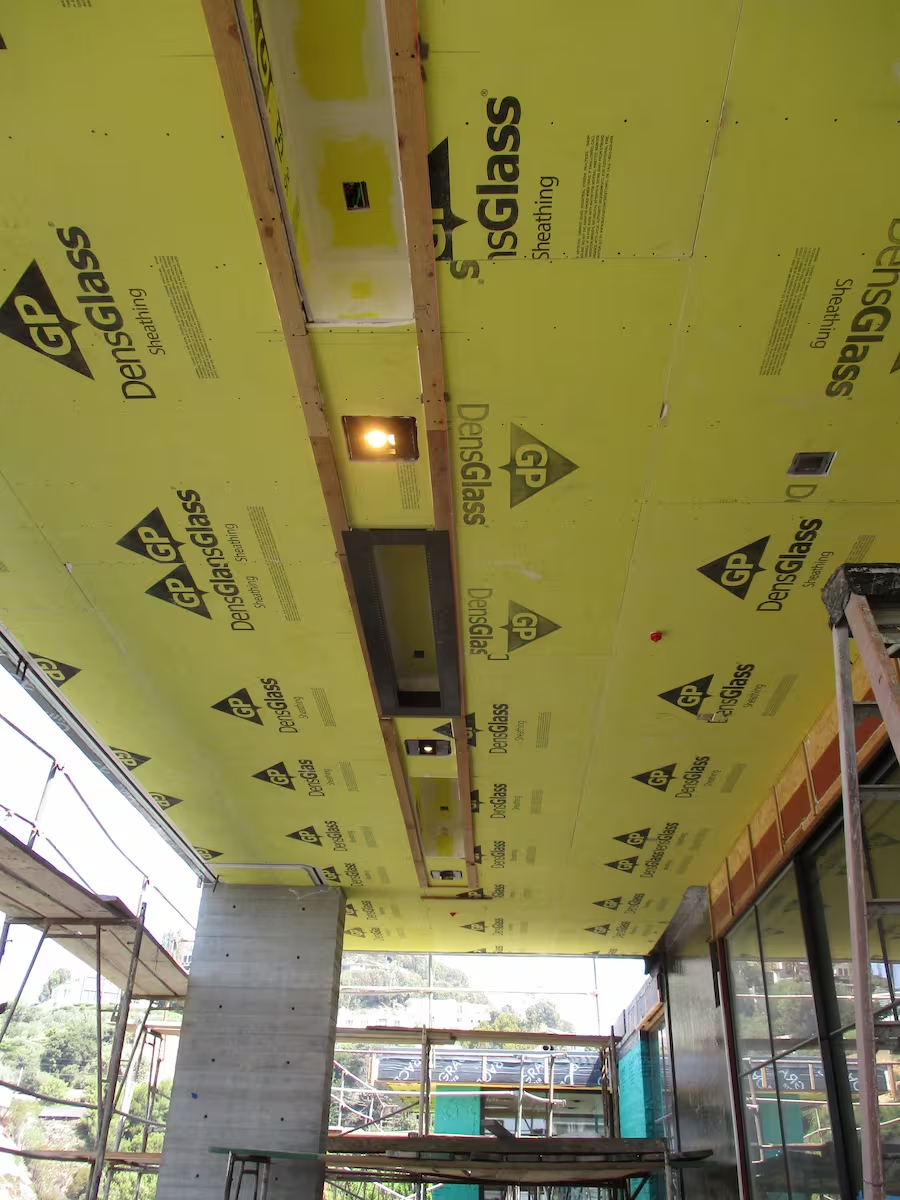
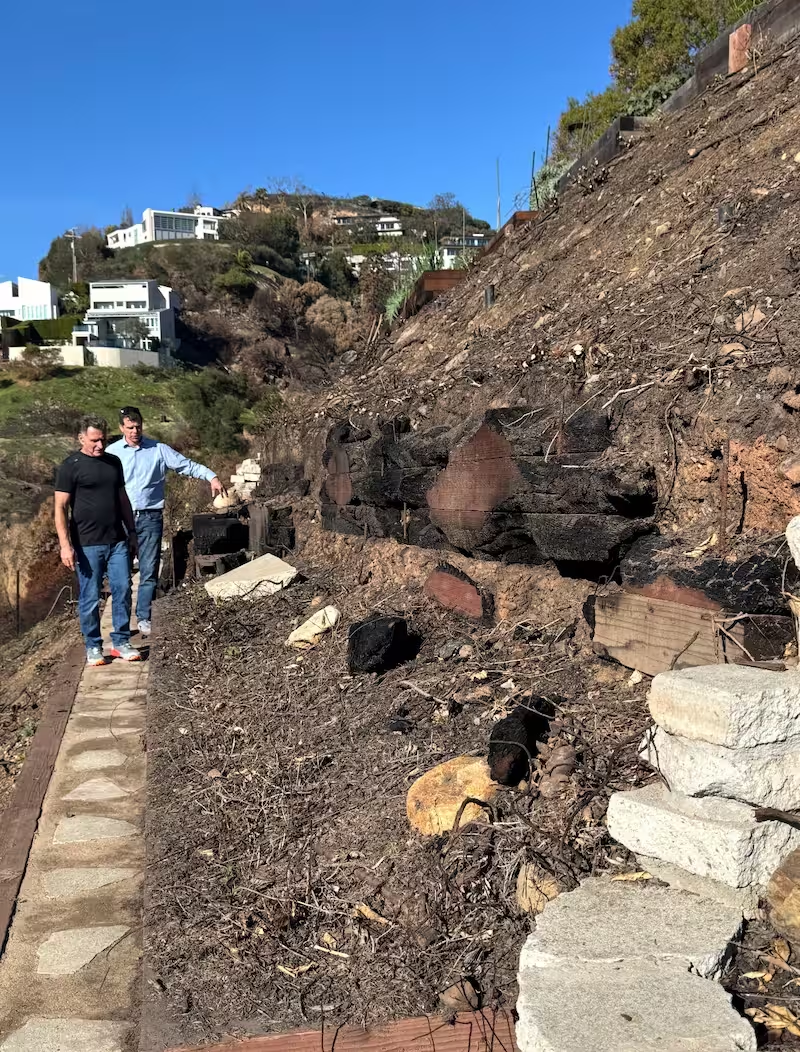
When our clients request the warmth of wood, we know how to treat it, which species to specify, and where to place it in our designs to minimize the risk of surface ignition. The Sapire Residence uses exterior wood siding sparingly on upper levels and beneath overhanging roofs. Poured-in-place concrete walls rise from the ground, eliminating touchpoints where embers could land on combustible material. On surfaces with wood cladding, a layer of fire-protection board is installed behind the cladding.
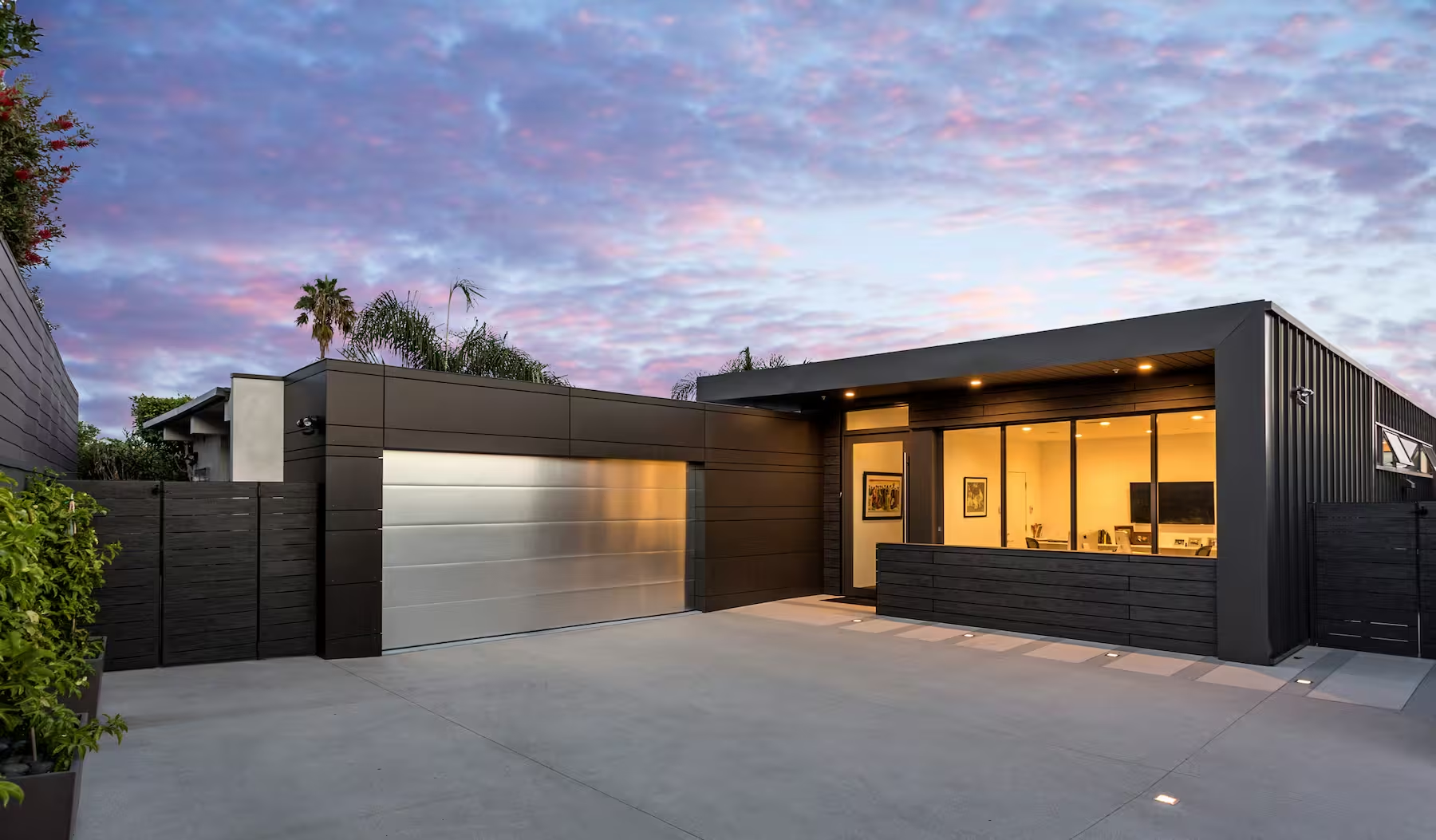
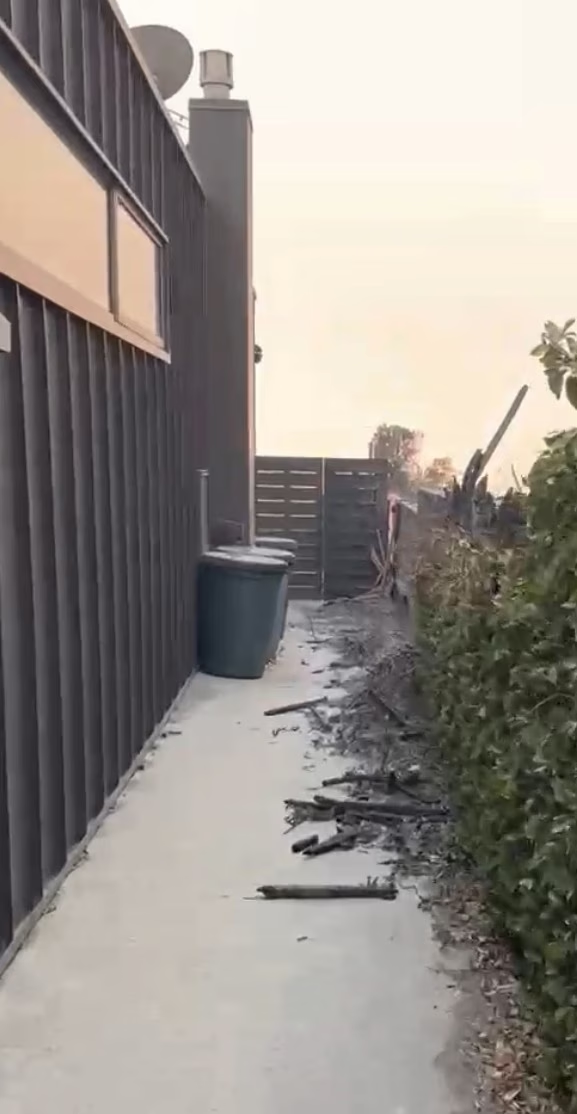
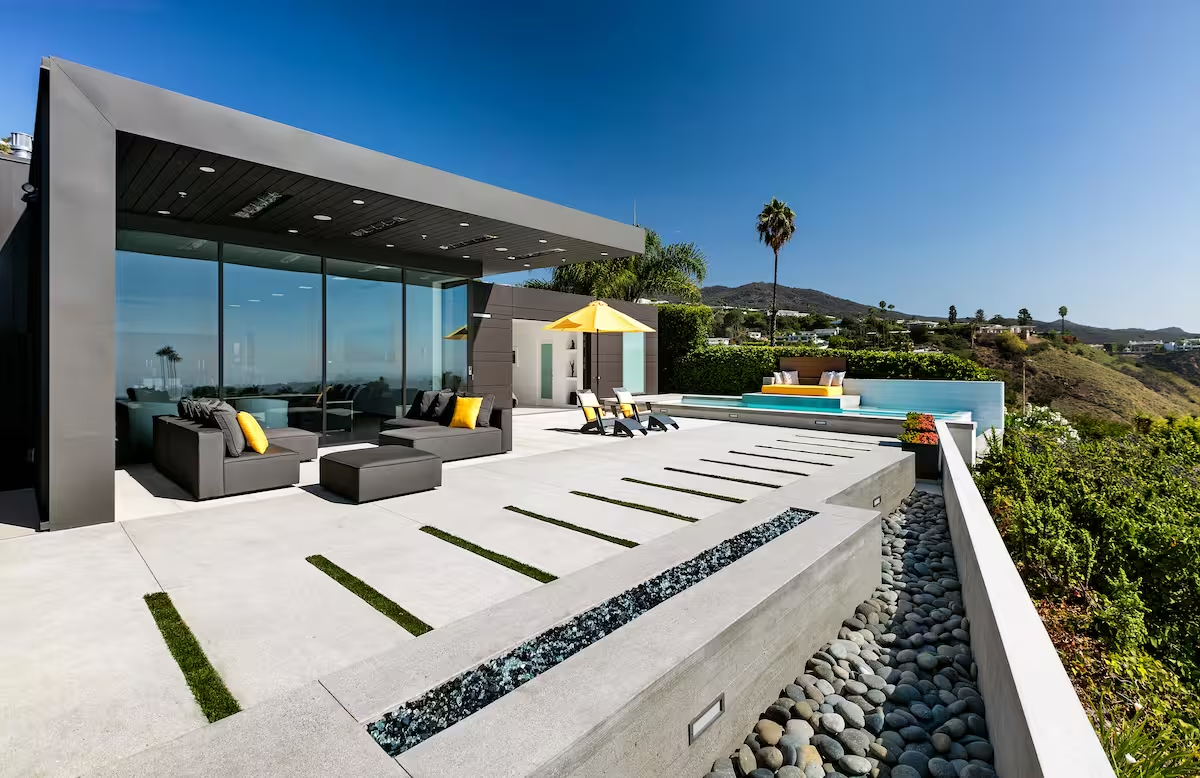
The Glenhaven Residence (2017) was also threatened by the Palisades Fire (2025). Wooden fence material from the adjacent property burned, but the house remained untouched with the exception of minor smoke damage and soot in the pool. Our team is currently working on two rebuilds on this same street, employing fire-hardening details and selecting non-combustible materials.
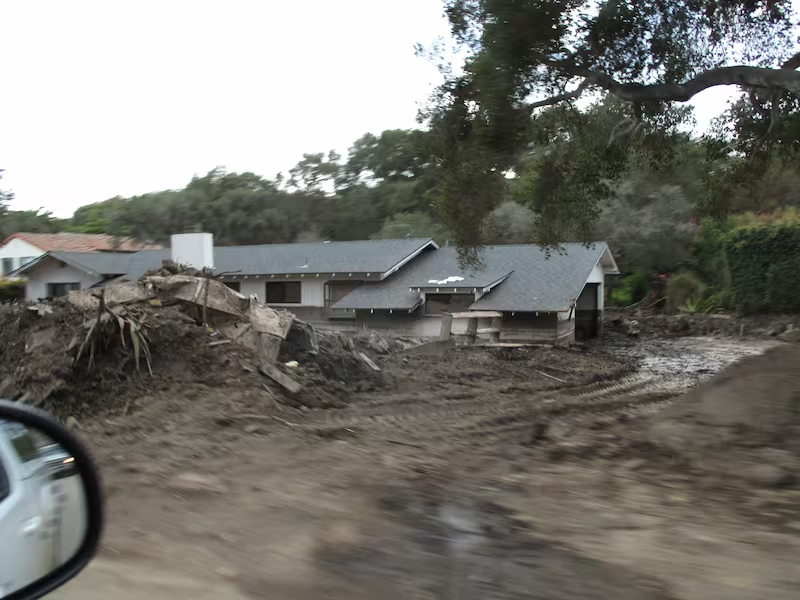
This home in Montecito was threatened by wildfire in December 2017 and by the debris flow that followed in January 2018. In 2017, California suffered a particularly devastating fire season; conflagrations burned steep slopes, causing vegetation loss and soil destabilization, setting the stage for subsequent mudflows.
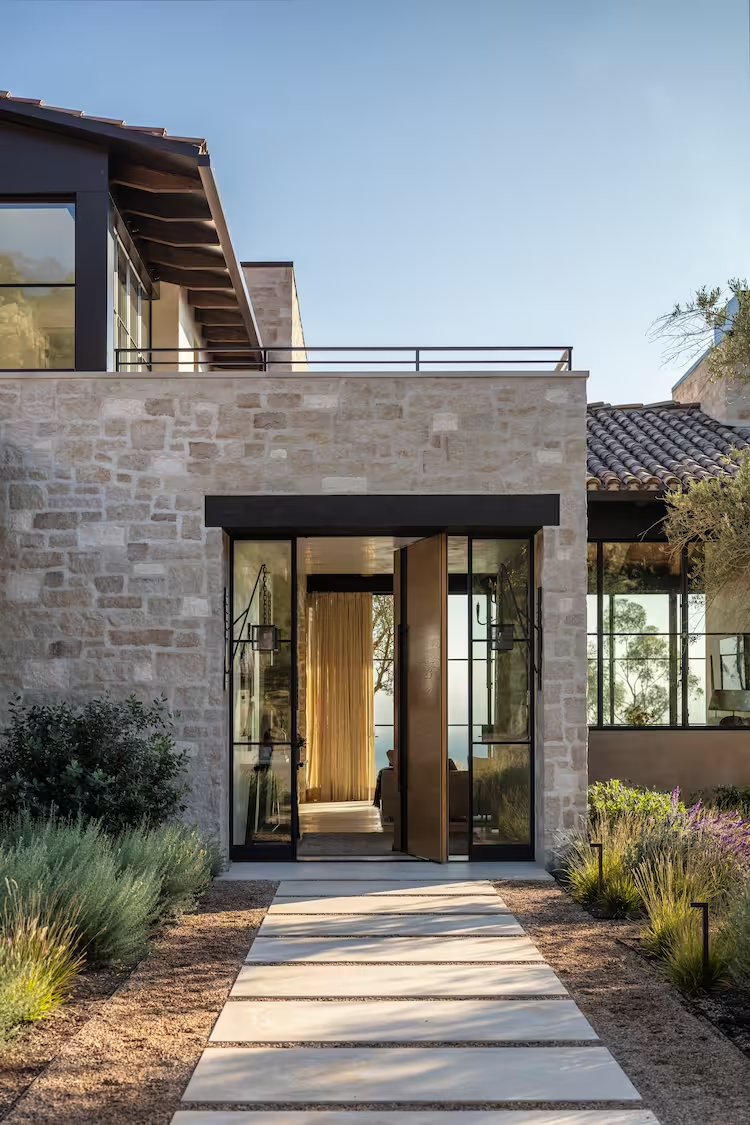
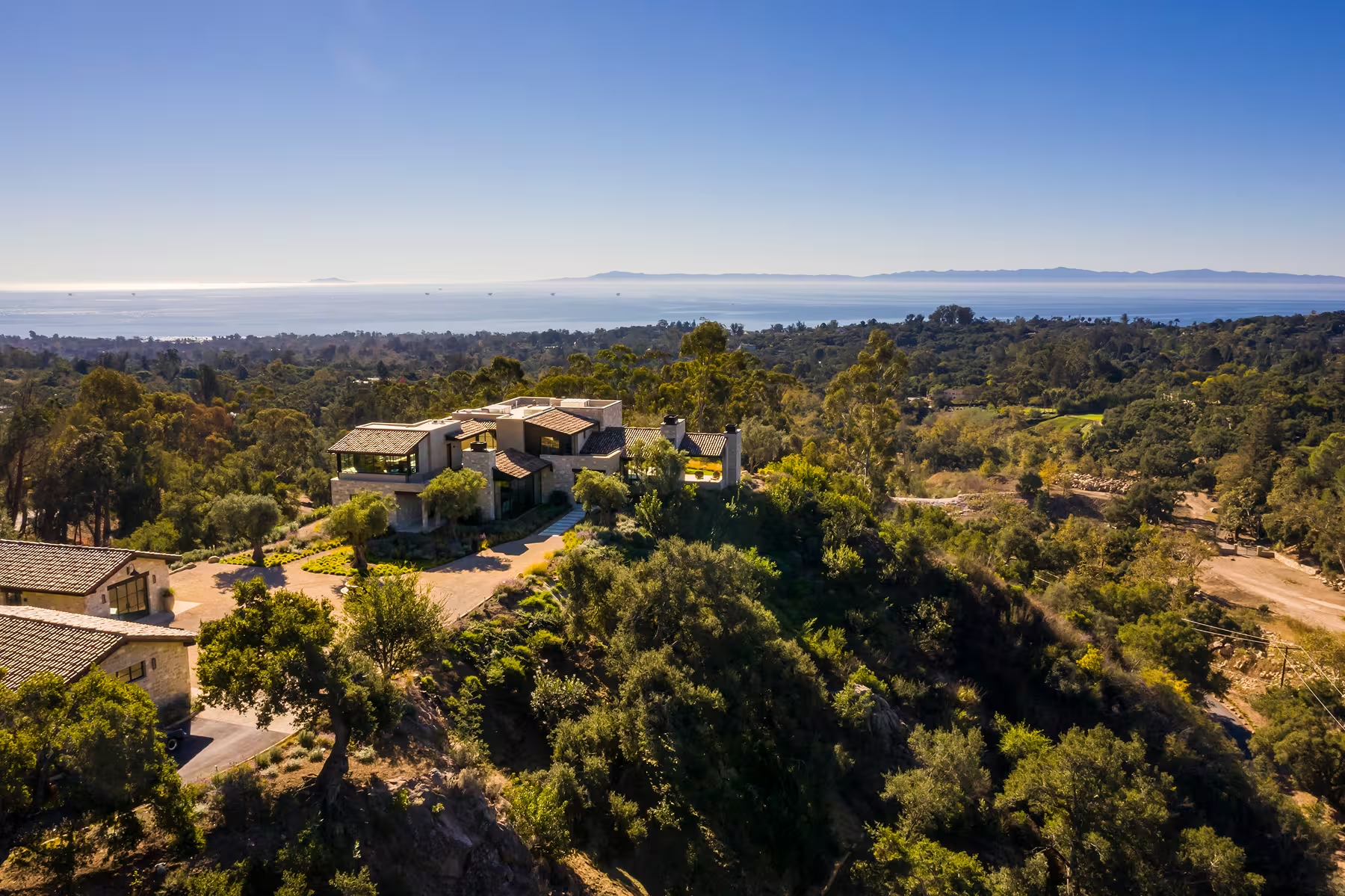
The Residence is perched atop a ridge that commands nearly 360-degree panoramic views. Due to its remote location and distance from the public right-of-way, a fire hydrant is located adjacent to a spacious motor court large enough for a pumper truck to turn around. Our team worked closely with the local fire department to plan for safe access to the property along a 1000-foot-long driveway. Exterior materials are mostly non-combustible; wood elements are limited to heavy timber beams that would form a protective char if touched by flame.
Understanding a location's potential hazards is just the first step in designing homes that last. We also understand the nuances of building and insuring homes in California and offer services to help clients navigate the process.
Anyone who has lost a home to wildfires has the unfortunate task of dealing with insurance companies. Many insurers will prolong the process in hopes that the homeowner tires and settles for less or gives up altogether. We have attended meetings with insurance companies in support of our clients and have provided expertise through written reports that summarize code upgrades that may have occurred since the home was originally built. This can allow for additional funds to be captured under most policies.
Once a home is rebuilt after a fire, the homeowner may face challenges finding affordable insurance policies for the new home. When fire-hardening is built into the design and documented, insurers are more likely to be amenable to providing policies for reasonable premiums.